


The 19 Days Uganda -Tanzania safari combines the rain-forests of Uganda with the open savanna of Tanzania. The safari features chimpanzee trekking in Kibale forest, gorilla trekking in Bwindi Impenetrable, source of the Nile in Jinja, game drive in Serengeti National Park, walking safari in Tarangire National Park, canopy walk in Lake Manyara and guided nature walk in Ngorongoro crater. The trip starts in Uganda and ends in Tanzania.
Trip summary -19 Days Uganda -Tanzania Safari
Day 1: Arrival in Entebbe
Day 2: Entebbe to Kibale National Park
Day 3: Chimpanzee trekking and Bigodi wetland walk.e
Day 4: Bwindi Impenetrable National Park and Batwa cultural visit
Day 5: Gorilla trekking
Day 6: Drive to Jinja- the source of the Nile
Day 7: Visit the Source of the Nile and return to Entebbe.
Day 8: Flight to Arusha and visit to Materuni Waterfalls
Day 9: Transfer to Tarangire National Park and afternoon game drive
Day 10: Full day game drive and walking safari in Tarangire National Park
Day 11: Lake Manyara National Park – game drive and canopy walk
Day 12: Transfer to Serengeti National Park
Day 13: Full day safari in the Serengeti
Day 14: Central Serengeti to northern Serengeti
Day 15: Full day game drive in Northern Serengeti
Day 16: Mara River area to central Serengeti
Day 17: Central Serengeti to Ngorongoro Conservation Area
Day 18: Ngorongoro Crater game drive and Maasai cultural visit
Day 19: Visit to Lake Natron – End of safari

Detailed 19 Days Uganda -Tanzania Safari
Day 1: Arrival in Entebbe
Your safari begins upon arrival at Entebbe International Airport. After clearing immigration and collecting your luggage, you will be welcomed by the company guide who will brief you about the journey ahead before transferring you to your hotel. Entebbe is a small lakeside town located along the northern shores of Lake Victoria, the largest lake in Africa and the primary source of the Nile River.
If your flight arrives early in the day, you can visit Entebbe Botanical gardens, one of the oldest botanical gardens in East Africa.
The gardens are home to over 300 exotic plants, indigenous bird species and primates including black and white colobus monkeys. Alternatively, you can visit the Uganda Wildlife Education Center to learn about Uganda’s native wildlife, explore local markets for souvenir shopping or venture to Ngamba Island Chimpanzee Sanctuary in Lake Victoria for up-close chimpanzee encounters. Another option is to visit the Mabamba Swamp for rare shoebill stork. Overnight accommodation options include Savannah Suites (budget), 2 Friends Hotel (deluxe), or Protea Hotel (luxury).
Day 2: Transfer from Entebbe to Kibale National Park
The day begins with an early breakfast at your hotel before setting off for Kibale Forest National Park. The journey covers approximately 320 kilometers and normally takes 5 to 6 hours depending on road conditions and the pace of the drive. This scenic drive allows visitors to witness the transformation of Uganda’s landscape from the busy lakeside town of Entebbe and central plateau to lush and green high lands of western Uganda.
Leaving Entebbe, the road passes through towns such as Mityana and Mubende. These areas are characterized by small farms, roadside markets, banana plantations and local trading centers. Consider a stopover at either Walumbe Tanda pits or Lake Wamala. Continue your journey on the Mubende road, making another stop at the Nakayima “spiritual” tree. At each of these locations, a storyteller will share insights into the traditional culture of the Baganda and explain the significance of these places. You may have a stopover in Fort Portal for lunch.
If time allows, you can visit the Tooro palace or Amabbere Ganyinawiru. Alternatively, the guide may take a short scenic detour through the nearby crater lake region like Nyakashura crater lakes or Kyaninga crater lakes. These lakes offer impressive view points for photography. Another hidden gem in this area is the drive through the tea estates surrounding Fort Portal where endless rows of bright green tea fields cover the hillsides.
The journey continues for about 45 minutes to an hour to reach Kibale Forest National Park. Kibale covers an area of approximately 795 square kilometers of tropical rainforest and contains the highest concentrations of primates in Africa.
The most famous residents of the forest are the chimpanzees. In addition to chimpanzees, the forest is home to 12 other primate species including red colobus monkeys, L’Hoest monkeys, black-and-white colobus monkeys, grey-cheeked mangabeys and olive baboons. Although primates are the main attraction, the forest also supports other wildlife such as forest elephants, bush pigs, duikers and several species of reptiles and butterflies. The park hosts over 350 bird species including many forest specialists of the Albertine Rift region. Upon arrival check in your lodge for dinner and overnight stay. Accommodation options include; Ndali lodge (luxury), Turaco Treetops lodge (midrange), Kibale Forest camp (budget).
Day 3: Chimpanzee trekking and Bigodi wetland walk
You will wake up early in the morning and enjoy breakfast at the lodge before heading to the park headquarters at Kanyanchu Visitor Centre. Here, you will meet park rangers for a briefing about the rules and guidelines for chimpanzee tracking. After the briefing, visitors are placed into small groups of up to eight people each accompanied by a ranger guide. The guide will lead the group into the forest to begin the chimpanzee tracking experience. As you move through the forest trails, you may hear the chimpanzees before seeing them, their calls and movements often echo through the trees.

Once the chimpanzees are located, visitors are allowed to spend one hour observing them. During this time, you may watch them as they move through the trees, build social bonds, groom one another, share food or care for their young. Those participating in the chimpanzee habituation experience are allowed to spend more time with the chimpanzees as researchers gradually help the animals become accustomed to human presence. Besides chimpanzees, visitors may encounter species such as red colobus monkeys, red-tailed monkeys, black-and-white colobus monkeys, L’Hoest monkeys and bush babies, among others. After the trekking experience, you will return to the visitor center where participants receive a chimpanzee trekking certificate as a record of the experience.
Following lunch and some rest, the afternoon continues with a guided nature walk in the nearby Bigodi Wetland Sanctuary. This community-managed wetland is well known for its rich biodiversity and bird watching opportunities. The swamp is home to many water bird species as well as monkeys, butterflies, and other wetland wildlife. During the walk, you may spot species such as the Great blue Turaco, papyrus birds and other forest and wetland bird species. After the walk, return to the lodge for dinner and an overnight stay.
Day 4: Transfer to Bwindi Impenetrable National Park and Batwa cultural visit
After breakfast, you will begin the journey south from Kibale National Park towards Bwindi Impenetrable National Park. The journey covers a distance of 220 km about 6 to 7 hours drive.The route connects the Albertine rift region of Uganda. As you travel, the landscape gradually changes from tropical forest to open countryside and later to the mountainous terrain of Bwindi.
As you continue south, the road passes near the western branch of the Great Rift Valley which offers views of wide valleys, crater lakes and distant hills. Along the way you may see roadside markets, banana plantations, and small trading centers where local communities carry out daily activities.
Before reaching Bwindi, you may pass through the southern part of Queen Elizabeth National Park, specifically the Ishasha Sector. Ishasha is well known for its tree-climbing lions which are often seen resting on large fig trees during the heat of the day. You can do a short game drive in this area where you will spot animals like buffaloes, Uganda kob, Topi, Elephants, and various bird species.
Later in the afternoon you will arrive in Bwindi Impenetrable National Park. This ancient rainforest is estimated to be over 25,000 years old and is recognized as a UNESCO World Heritage Site. The forest lies along the edge of the Albertine Rift Valley. Bwindi Impenetrable National Park is known for protecting almost half of the world’s remaining mountain gorillas. Besides gorillas, the forest also supports many other species including forest elephants, bush bucks, black fronted duiker, yellow backed duiker, sitatunga, giant forest fog, bush pigs, clawless otters, side stripped jackals, L’hoest monkeys, blue monkeys, black and white colobus, vervet monkeys, olive baboons, pottos and demidoff’s galago.
The park also hosts more than 350 bird species, many of which are endemic to the Albertine Rift, for instance, African green broadbill and Shelley’s crimsonwing.
Early evening, you will visit a nearby Batwa community. The Batwa People are the original inhabitants of the Bwindi forest who traditionally lived as hunter-gatherers before the area became a national park. During the visit, Batwa guides share aspects of their traditional forest lifestyle. Visitors may learn about traditional hunting methods, how they used forest plants for medicine, ways they built shelters in the forest, music, dance and storytelling traditions. After the cultural visit, you will head to your lodge for dinner and overnight. Accommodation options include Mahogany springs lodge (Luxury), Bakiga lodge (mid range) and Bwindi Backpackers lodge (budget).
Day 5: Gorilla trekking
After breakfast, the lodge will prepare a packed lunch for you before you are transferred to the park headquarters of Bwindi Impenetrable National Park. The exact headquarters you visit will depend on the sector indicated on your gorilla trekking permit. When you arrive, visitors usually gather for a short cultural welcome from nearby communities, often from the Bakiga People or the Batwa People. This brief introduction reflects the close connection between the park and the surrounding communities.
Afterward, a park ranger or senior warden conducts a briefing. During the briefing, visitors learn about the history of gorilla trekking in Bwindi, the importance of gorilla conservation, the behavior of mountain gorillas and the rules that visitors must follow during the trek. The ranger also explains how gorilla tourism supports conservation efforts and benefits local communities. The briefing usually takes place between 7:30 am and 8:00 am.
Visitors are then placed into small groups of up to eight people, each led by a ranger guide. The group enters the forest to begin the search for the mountain gorillas.

The trek can sometimes take an hour or longer depending on where the gorillas are located that day. The walk passes through dense tropical forest with steep and sometimes slippery slopes. Because of the thick tree canopy, some parts of the forest can feel quite shaded even during the day. Along the way, the forest reveals a variety of plant life, including large trees, vines and forest flowers. You may also encounter other primates such as L’Hoest’s Monkey, Vervet Monkey, and Black-and-white Colobus Monkey. Other animals sometimes seen in the forest include Bushpig, Warthog, Bushbuck, Yellow-backed Duiker, Giant Forest Hog and occasionally forest elephants. Many species of butterflies can also be seen moving through the forest.
Once the gorillas are located, visitors are allowed to spend one hour observing them. During this time, you can watch how they interact, feed and care for their young. Photographs are allowed, but visitors must keep a safe distance of about 3 meters from the gorillas. For those participating in the gorilla habituation experience, the observation period is longer, allowing researchers and visitors more time to watch how the gorillas behave and interact. After the experience, you will return to the park headquarters where trekking certificates are issued to visitors. Later, you will return to your lodge to relax and have lunch.
Day 6: Drive to Jinja- the source of the Nile
After breakfast at around 8:00 am, begin the long drive from Bwindi Impenetrable National Park toward eastern Uganda. The journey covers a distance of 480 km approximately 8 to 9 hours drive and crosses several regions of the country. The first section of the drive passes through the highlands of southwestern Uganda. This area is known for its rolling hills, terraced farms and small rural communities. As you travel north toward Mbarara and then continue east toward central Uganda, the landscape gradually opens into flatter countryside with banana plantations, cattle farms and trading centers along the roadside.
Along the way you can make a stopover at the Uganda Equator located along Kampala-Masaka highway. Here you can stand on the Equator line, where the Earth is divided into the northern and southern hemispheres. Visitors often take photos standing with one foot in each hemisphere. Local guides sometimes demonstrate simple water experiments showing how water appears to rotate differently on either side of the Equator. Small craft shops around the site sell souvenirs such as handmade crafts, paintings, and local textiles.
After the Equator stop, continue driving toward Kampala, which normally takes about 2 hours depending on traffic. Kampala city connects western Uganda with the eastern region and serves as the main transport hub in the country. From Kampala, the road continues east toward Jinja. This section of the journey takes about 2–3 hours and passes through towns such as Lugazi and Mabira. If time allows, you may pass near Mabira Forest Reserve, one of the largest remaining natural forests in central Uganda. The forest hosts a number of birds, butterflies and primates such as vervet monkeys and grey-cheeked mangabeys. Short walks or brief roadside stops can sometimes be arranged depending on the travel schedule.
You will arrive in Jinja in the late afternoon or early evening. Jinja lies near the northern shores of Lake Victoria and is closely associated with the beginning of the Nile River. The main attraction here is the Source of the Nile. This location marks the point where water flows out of Lake Victoria to form the Victoria Nile, which continues north through Uganda, South Sudan, Sudan, and Egypt before reaching the Mediterranean Sea. In the evening, you may take time to relax along the riverbanks or enjoy views of the Nile as the day ends. Accommodation options include Wildwaters lodge (luxury) and Nile village hotel (midrange)
Day 7: Visit the Source of the Nile and return to Entebbe
After breakfast, begin the morning with a short drive to the Source of the Nile. This is the point where water flows out of Lake Victoria to form the Nile River which then travels north through several countries before reaching the Mediterranean Sea. The area around the source offers views of the river, islands and local fishing boats. You will take a boat cruise on the Nile which allows you to see the exact point where the river begins its long journey. The cruise offers good views of birdlife and the surrounding riverbanks.
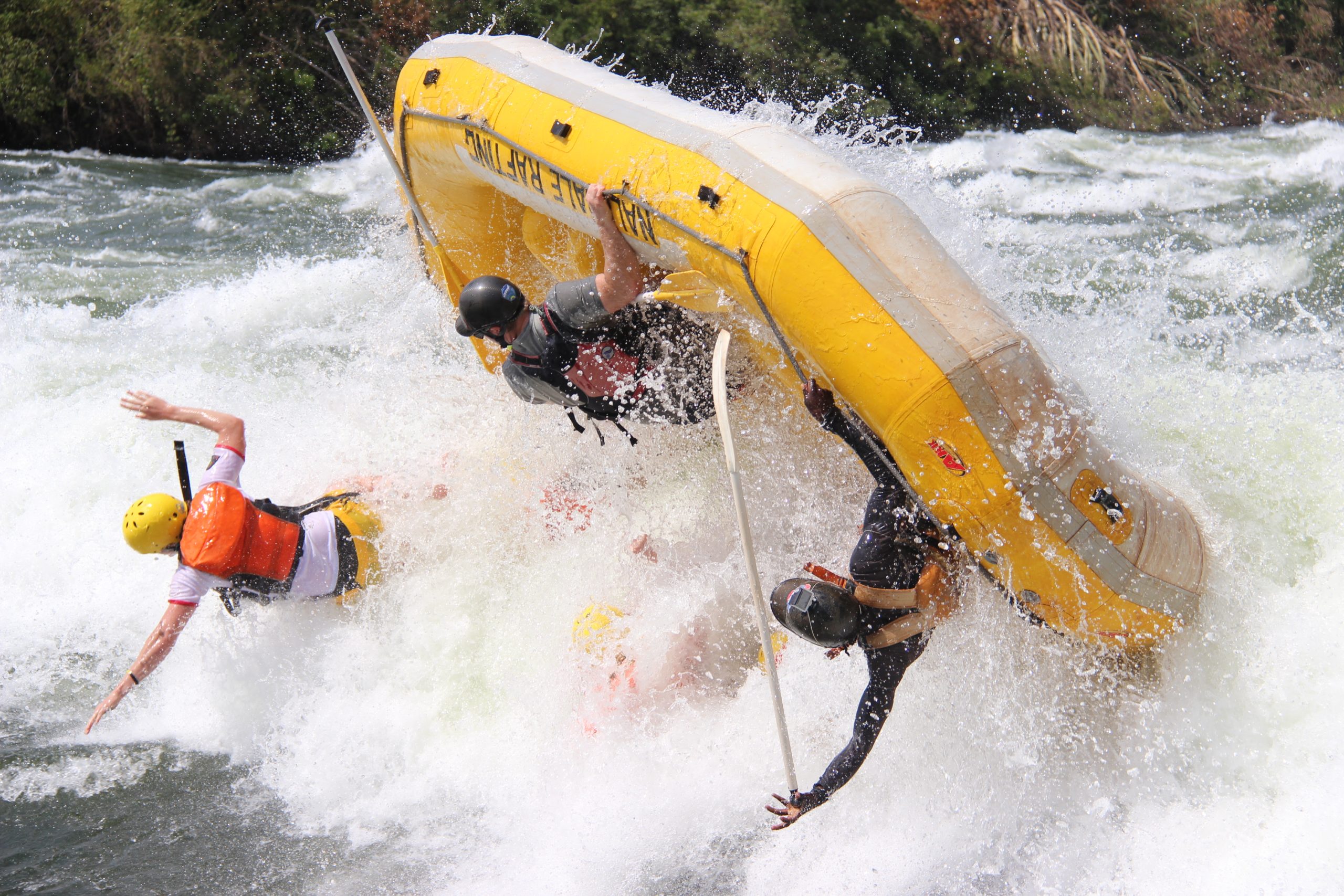
After the boat experience, you can take part in white water rafting on the Nile River. Jinja is one of the most popular rafting locations in Africa because of its strong rapids and steady water flow. Both half-day and full-day rafting trips are available depending on your schedule and interest. During the rafting trip, there is usually a break on one of the small islands along the river where you can relax and have a picnic lunch. For travelers who prefer other activities, several options are available in the same area, for instance, quad biking, horseback riding and bungee jumping. These activities give visitors another way to experience the landscapes and communities around Jinja.
After lunch and the morning activities, begin the return drive toward Kampala and continue to Entebbe. The drive usually takes about 2 to 3 hours depending on traffic conditions when passing through Kampala. You will arrive in Entebbe in the late afternoon or evening, where you can have your dinner and overnight stay.
Day 8: Flight to Arusha and visit to Materuni Waterfalls
Start your day with breakfast and later transfer to Entebbe International Airport for your scheduled flight to Arusha. The flight usually takes about 1:30 mins to 2 hours and crosses the western part of East Africa, passing over landscapes that connect the Great Lakes region with northern Tanzania. Upon arrival at Kilimanjaro International Airport, you will meet your driver guide and begin the short transfer toward the foothills of Mount Kilimanjaro.
Arusha town sits between Mount Kilimanjaro and Mount Meru and acts as the main gateway to several wildlife areas such as Serengeti National Park, Ngorongoro Conservation Area and Tarangire National Park. The region is also home to farming communities that grow coffee and bananas on the fertile volcanic soils around Mount Kilimanjaro. From Arusha, continue the drive toward Materuni Village which is located on the lower slopes of Mount Kilimanjaro. The journey takes about 1:30 to 2 hours and passes through small towns, coffee farms and banana plantations as the road climbs toward the mountain. Materuni is one of the traditional villages of the Chagga people, a community known for farming and coffee production in the Kilimanjaro region.
From the village, you will begin a guided walk to Materuni Waterfalls. The walk usually takes about 45 minutes to 1 hour each way and passes through farmland, small forest patches and streams. The path offers views of the surrounding valleys and on clear days, the upper slopes of Mount Kilimanjaro. The waterfall drops from a height of about 70–80 meters. After the waterfall visit, return to the village for a coffee experience with the local Chagga community.
During this activity, you will learn how coffee is grown, harvested, roasted and prepared using traditional methods. Visitors can also take part in grinding the roasted beans and preparing a fresh cup of locally grown coffee. After the visit, return to Arusha for dinner and overnight stay. Accommodation options include Gran Meliá Arusha (luxury), Mount Meru Hotel (midrange) and Ilboru Safari Lodge (budget).
Day 9: Transfer to Tarangire National Park and afternoon game drive
After breakfast at your lodge in Arusha, begin the drive southwest toward Tarangire National Park. The journey covers a distance of 120 km and takes about 2 to 3 hours depending on road conditions and stops along the way. The road passes through small towns, open farmland and Maasai grazing areas. Along the way you may see local markets, Maasai villages and herds of cattle and goats, giving a glimpse of daily life in rural Tanzania.
Tarangire National Park is part of Tanzania’s northern safari circuit, which also includes Lake Manyara National Park, Serengeti National Park and Ngorongoro Conservation Area. The park is named after the Tarangire River which flows through the park and acts as water source for wildlife especially during the dry season. When other water sources dry up, animals gather around this river. Tarangire features large Baobab Tree trees which have thick trunks and can live for hundreds of years. They are scattered across the park.
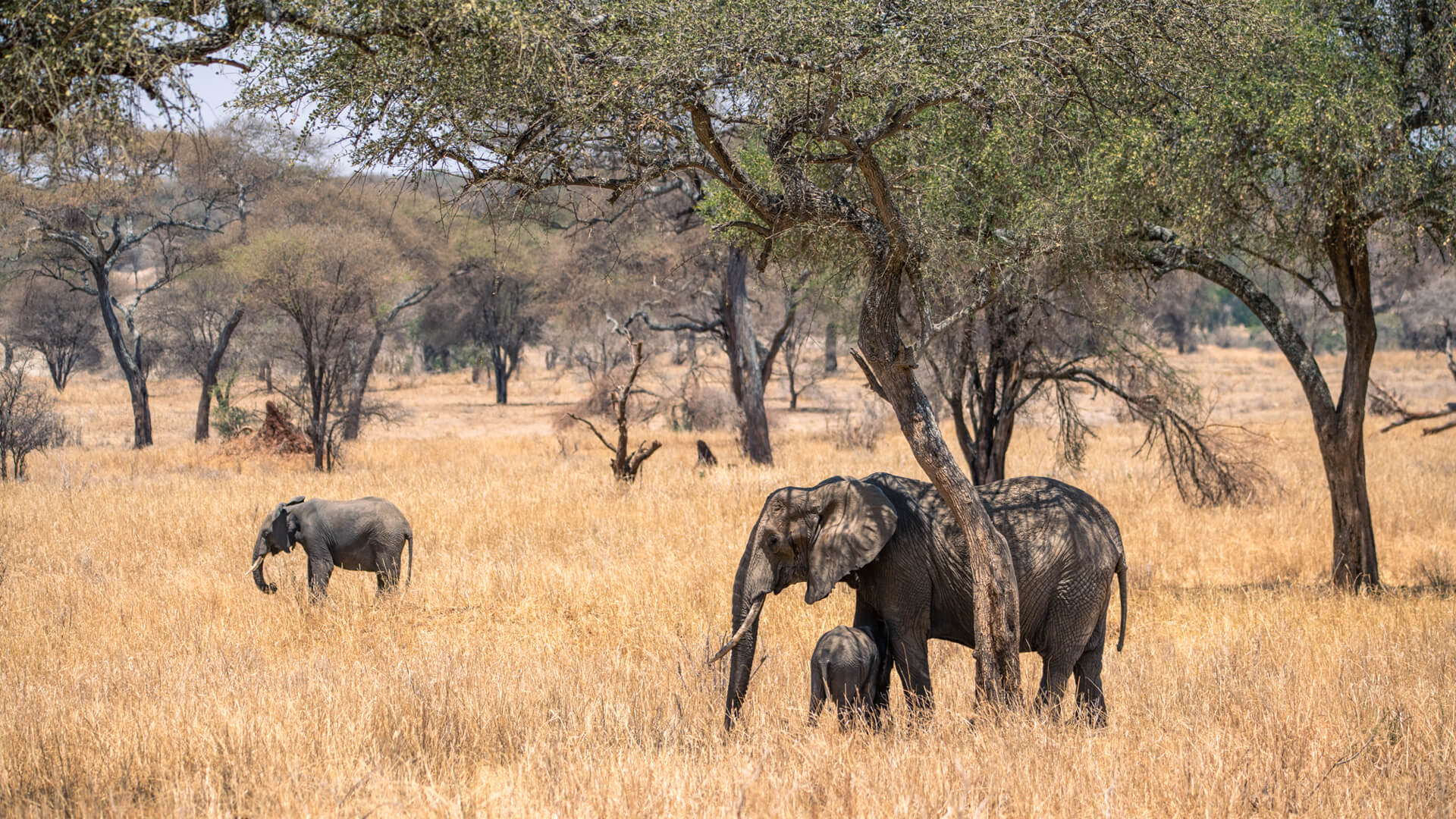
The park hosts large herds of elephants and it is common to see groups of elephants moving through the park or gathering along the river. During the dry season, wildlife from surrounding areas migrate into Tarangire in search of water, creating seasonal concentrations of animals.
Apart from elephants, other animals like lions, giraffes, zebras, wildebeests, buffaloes, impalas and other antelope species can be spotted. The park is also home to many bird species, especially around the river and wetland areas. After entering the park and completing registration at the gate, you will begin an afternoon game drive.
The drive often follows routes along the Tarangire River and through open woodland where wildlife is commonly seen. Your guide may stop at safe viewing points so you can observe animals, take photographs and learn about the park’s ecosystem. After the afternoon game drive, proceed to your lodge or tented camp for dinner and overnight stay. Accommodation options include; Tarangire Treetops (luxury), Tarangire Safari Lodge(midrange) and Sangaiwe Tented Lodge (budget)
Day 10: Full day game drive and walking safari in Tarangire National Park
After an early breakfast at the lodge, you will head out for a morning game drive inside the park. This is usually the best time to see wildlife as animals are more active before the heat of the day. The drive follows tracks along the Tarangire River which is the main water source in the park. Many animals gather around this area especially in the dry season. During the game drive you may see elephants in family groups, lions, giraffes, zebras, wildebeests, buffaloes, warthogs, baboons, various antelope species such as impala, hartebeest and waterbuck.
Birdlife is also common during the game drive, especially around the river and wetland areas where species such as hornbills, storks and bee-eaters can be seen. Later you will return to the lodge for lunch and rest.
In the afternoon, you will take part in a guided walking safari with an armed ranger. This activity offers a slower and closer look at the park on foot, focusing on smaller details that are often missed during game drives. During the walk, you will explore areas around the park with your guide explaining different elements of the environment. Things you may observe on foot include; animal track, smaller animals like lizards, insects and termites. Medicinal plants, birds nests and natural trails used by animals cannot also be missed out.
The ranger also explains how animals behave in their natural environment and how they interact with their surroundings. Walking safaris are usually done in safe areas of the park where wildlife movement is monitored.
After the walking safari, you will return to the lodge for rest. Depending on time and interest, a short evening drive may be arranged near the lodge area. This can sometimes offer sightings of animals moving at dusk, such as: elephants, lions, hyenas and hippos. You will spend the night at your lodge. Accommodation options include Tarangire Treetops (luxury), Tarangire Safari Lodge (midrange) and Sangaiwe Tented Lodge (budget).
Day 11: Lake Manyara National Park – game drive and canopy walk
After breakfast at your lodge near Tarangire National Park, you will begin the drive toward Lake Manyara National Park. The journey covers a distance of 80 to 100 km and takes about 2 hours while driving. The route passes through rural landscapes of northern Tanzania where small villages, farmland and open plains are common along the road.
The protected area lies within the northern safari circuit and sits along the base of the Great Rift Valley. The road gradually descends along the Rift Valley escarpment which offers views of the valley floor and the alkaline waters of Lake Manyara. According to the other protected areas in the region, Lake Manayara is the smallest featuring different vegetation for instance, groundwater forest, open grassland, swamps and the lakeshore.
Upon arrival, you will enter the park and begin a morning game drive.
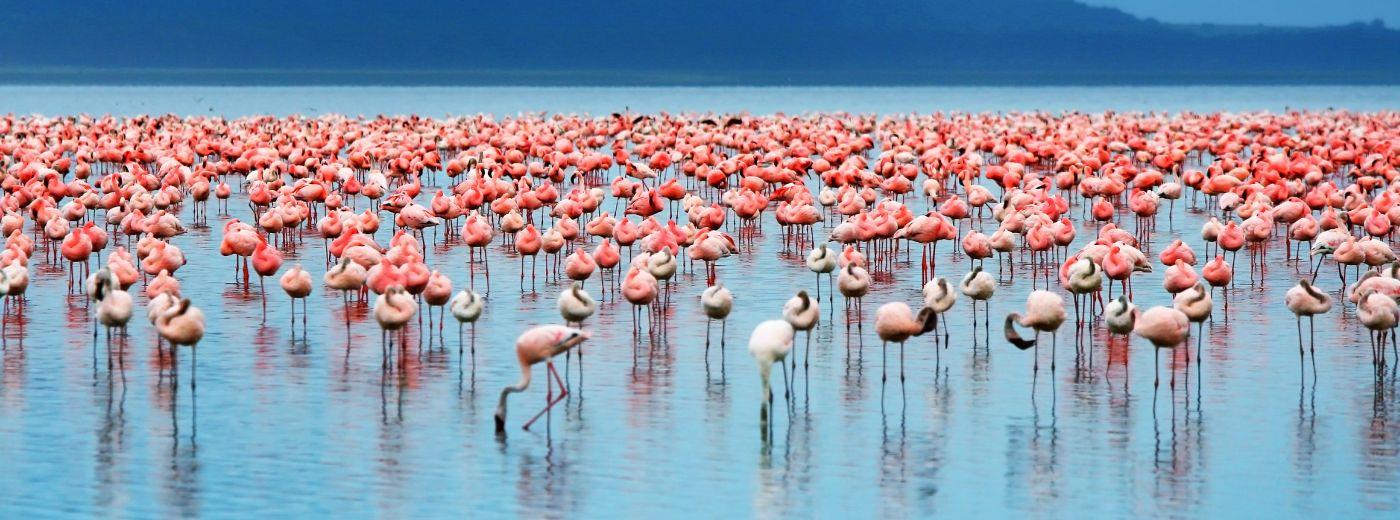
During the game drive, you will spot a variety of wildlife species like large troops of baboons, blue monkeys, vervet monkeys, elephants, hippos, buffaloes, giraffes and zebras. The park is also known for its tree-climbing lions. These lions are sometimes seen resting in the branches of acacia trees. This behavior is believed to help them avoid insects and heat on the ground. The alkaline waters of Lake Manyara attract a variety of bird species and during some seasons flamingos gather along the shoreline. Other birds often seen include pelicans, storks, herons and hornbills.
In the afternoon, you will take part in the canopy walkway.
This elevated walkway passes through the forest canopy and allows visitors to walk between suspension bridges high above the ground. From this position, you may observe birds, butterflies and monkeys moving through the trees. Before going back to the lodge you can also visit Mto wa Mbu town which is known for local farms and markets. You can choose to stop briefly in the town to see local produce farms or craft markets. Accommodation options include Lake Manyara Tree Lodge (luxury), Manyara Safari Lodge (midrange) and Manyara Wildlife Safari Camp (budget)
Day 12: Transfer to Serengeti National Park
After breakfast at your lodge, you will begin the drive toward Serengeti National Park. The journey covers a distance of approximately 200 to 300 km taking about 5 to 7 hours depending on the route and camp location. The route passes through the town of Karatu which is located between Lake Manyara and Ngorongoro Conservation area. takes you through the highlands of the Ngorongoro Conservation Area before descending into the wide plains of the Serengeti ecosystem.
The drive first climbs the forested slopes of the Ngorongoro highlands.
This region forms part of the eastern edge of the Serengeti Ecosystem. The area connects several important wildlife habitats including Lake Manyara, Ngorongoro, and Serengeti. Along the road you may see farms, small villages and grazing livestock belonging to the local Maasai communities. Along the way, you can have a stopover at Olduvai Gorge. This site is known for discoveries of early human fossils and stone tools that helped scientists understand early human history in East Africa. A short visit to the small museum can give background on the archaeological work carried out in the area. Later, continue with your journey passing through the Ngorongoro highlands. As you’re travelling the landscape changes, the forested hills gradually change to open grassland as you enter the southern boundary of Serengeti National Park.
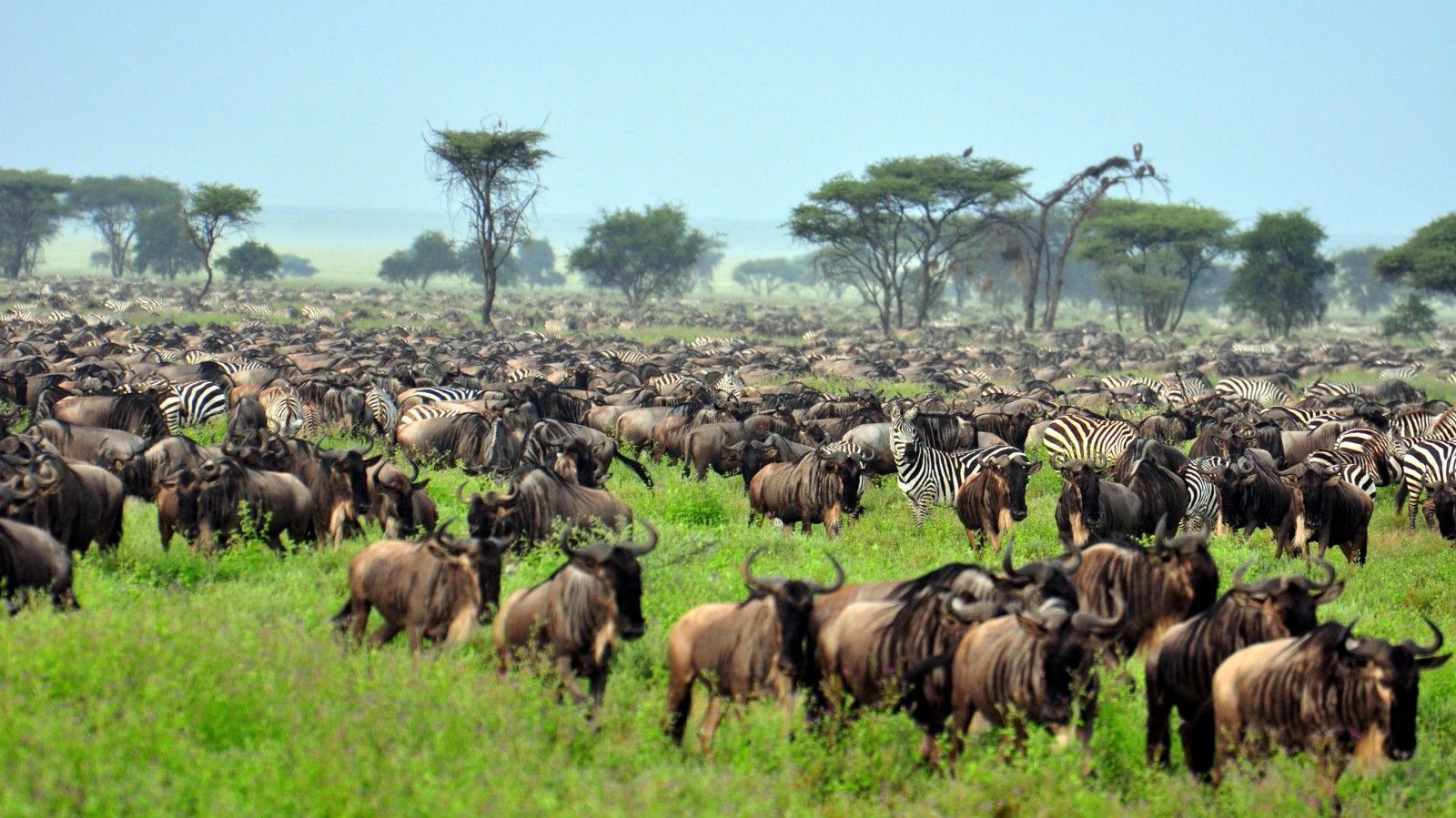
Serengeti National Park is one of the largest protected areas in East Africa covering an area of 30,000 square kilometers across northern Tanzania and Maasai Mara National Reserve. The park supports a large number of predators and grazing animals. Serengeti National Park is known for the Great Migration, when large numbers of wildebeests, gazelles and zebras move between Serengeti and Maasai Mara in search for fresh grass. Some of the animals that can be seen in Serengeti include; lions, leopards, cheetahs, spotted hyenas, jackals, elephants among others. Large rock outcrops known as kopjes are also common in the park. These rocks are lookout points for animals such as lions and leopards.
The park also hosts a number of bird species such as ostriches, kori bustards, secretary birds and several species of vultures and eagles. Arrive at your lodge for dinner and overnight stay. Accommodation options include; Four Seasons Safari Lodge Serengeti (luxury), Serengeti Serena Safari Lodge (midrange) and Kati Kati Tented Camp (budget).
Day 13: Full day safari in the Serengeti
The day begins with an early morning game drive shortly after sunrise when many animals are active. This is the best time to see predators and during the drive you may see lions, cheetahs, leopards, jackals, spotted hyenas, Topis, hartebeests, warthogs, Grant’s and Thomson’s gazelles, elephants and giraffes. Large herds of zebras and wildebeests are common on the plains. Also birds can be spotted during the game drive and they include ostriches, secretary birds, vultures and eagles. After several hours of wildlife viewing, you will return to the lodge or camp for breakfast and a short rest period.
Later in the mid morning you will head out again for another game drive to explore a different part of the park, often around the Seronera Valley, which is known for year-round wildlife because of its permanent water sources. You will spot hippos and crocodiles along small rivers and pools, lions resting under trees and other animals. You may be taken to a designated picnic site inside the park for lunch while observing the surrounding landscape.
In the late afternoon you may take a guided nature walk in a designated area near your camp or in a nearby private concession (walking is not allowed in most areas of the main park without special permission).
The walk is led by an armed ranger and focuses on the smaller details of the ecosystem. During the walk you may learn about insects and smaller wildlife often missed during game drives, local plants, dung identification used to understand animal behavior, animal tracks and footprints. You may also spot smaller animals such as dik-dik, mongoose, ground squirrels and small antelopes. Bird species like hornbills, bee-eaters and starlings are also common during these walks. After the walk, return to your lodge or tented camp for dinner and overnight stay. Accommodation options include Four Seasons Safari Lodge (luxury), Serengeti Serena Safari Lodge (midrange), Seronera Campsite (budget).
Day 14: Transfer from central Serengeti to northern Serengeti
After breakfast at your lodge in the central part of Serengeti National Park, you will begin the journey toward the northern Serengeti. This drive follows wildlife routes across the park and normally takes 4–5 hours, but the time may be longer because the journey includes a game drive along the way. The drive gradually shows a change in landscape, for instance the central Serengeti (Seronera area) features open plains and scattered kopje rocks, northern corridor features rolling grassland and woodland areas whereas the Mara River region features river valleys and thicker vegetation.
During the drive you may encounter lion prides, cheetahs, hyenas, herds of zebras and wildebeests, elephants and giraffes. You may also stop near rocky outcrops where lions often rest or watch nearby wildlife. A lunch stop can be arranged at a designated picnic site inside the park before continuing north.
By mid-afternoon you will reach the Mara River region where animals often gather to drink water. The river banks are also home to Nile crocodiles and hippos. If migration herds are present during the season, you may spend some time watching groups of wildebeests gathering along the riverbanks before crossing. After the game drive you will continue to your lodge or camp and check in for dinner and overnight.
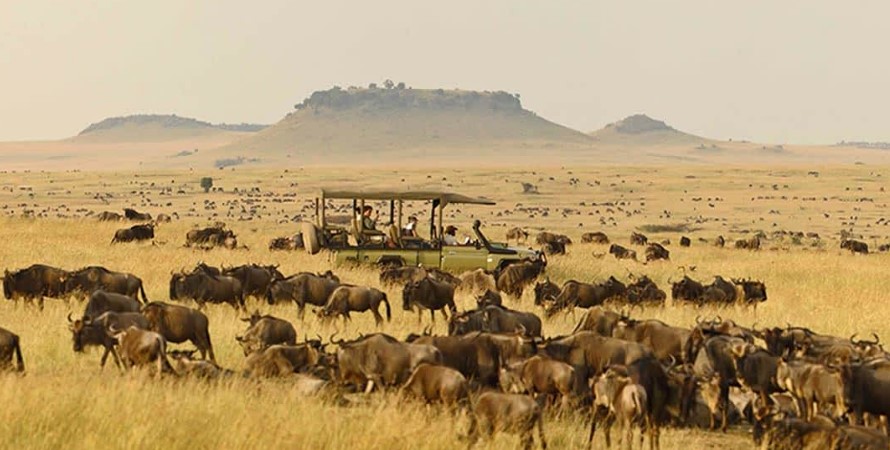
The northern section of Serengeti lies close to the border with the Maasai Mara National Reserve in Kenya. The two areas form one continuous ecosystem connected by the Mara River. Compared to the central plains, this part of the park has rolling hills, open savanna and river valleys. The Mara River flows through the area and attracts animals throughout the year because it is one of the few permanent water sources in the region. During the Great Migration season (usually between July and October), large herds of wildebeest and zebras move through this area as they cross the Mara River while traveling between Serengeti and the Maasai Mara. Outside migration season, the northern Serengeti still supports a good number of resident wildlife. Wildlife commonly seen in this region includes lions, leopards, elephants, giraffes, zebras, wildebeests,topis, hartebeests, crocodiles, hippos and various birds such as vultures, secretary birds and eagles. Accommodation options include Serengeti Bushtops Camp (Luxury), Mara River Post(midrange) and Kati Kati Tented Camp (budget).
Day 15: Full day game drive in Northern Serengeti
On the 15th day of your safari you will spend the entire day exploring the northern section of Serengeti National Park. With a packed breakfast, you will head out for a morning game drive around the Mara River area. During the game drive you may see lions returning from night hunting, leopards, hyenas, jackals, elephants, crocodiles lying along the riverbanks, herds of zebras and wildebeests. Bird watching can also be done near the river and common birds that can be spotted include kingfishers, herons and fish eagles.
Around midday, you will return to the lodge for lunch.
Later in the afternoon you will go out again for another game drive. The afternoon game drive focuses on searching for wildlife near Mara River, following herds of zebras or wildebeests, looking for predators such as lions, cheetahs, leopards and hyenas. If migration is present, safari vehicles are positioned near crossing points where animals gather before crossing the river. You may stay out until sunset before returning to camp for dinner. Accommodation options include Serengeti Bushtops Camp (luxury), Mara River post (midrange) and Mara Kati Kati Tented Camp (budget).
Day 16: Transfer from Mara River area to central Serengeti
After spending the morning exploring the Mara River area, you will begin your journey south towards central Serengeti also known as Seronera region. The journey covers approximately 140 to 160 km and usually takes about 4 to 5hours depending on road conditions. The route moves through open savanna offering opportunities for game viewing along the way. As you travel the guide might stop at some locations where animals are spotted. The plains between northern and central Serengeti are known for topis, hartebeests, gazelles and occasional elephant herds. You may also see large rock formations known as kopjes which are common resting places for lions and leopards.
You may stop at a designated picnic site for lunch before continuing with the journey. By afternoon, you will arrive in central Serengeti. This part of the park is near the Seronera River valley which provides water throughout the year and supports a large population of animals. You can opt to go for a game drive and explore the plains and river areas around Seronera. Later in the late afternoon, you drive to your lodge or tented camp for check-in and dinner. Accommodation options include Four Seasons Safari Lodge Serengeti (luxury) and Serengeti Serena Safari Lodge (midrange).
Day 17: Transfer from central Serengeti to Ngorongoro Conservation Area
After breakfast, you start the journey southeast toward the Ngorongoro Conservation Area, a protected area that forms part of the larger Serengeti ecosystem. The distance between Central Serengeti (Seronera region) and Ngorongoro is about 145 to 160 km and the drive usually takes 3 to 4 hours depending on wildlife sightings and road conditions.
The route passes through the open plains of the Serengeti before moving towards the highlands of Ngorongoro. Along the way, you may still encounter wildlife such as zebras, wildebeests, gazelles, giraffes and sometimes lions resting on rocky kopjes. This route is part of the wildlife migration corridor where large herds of animals move between Serengeti and Ngorongoro depending on rainfall and grazing conditions. Your guide may stop for short wildlife viewing opportunities as you drive.
Before reaching the Ngorongoro highlands, you stop at Olduvai Gorge. This site is located between the Serengeti plains and the Ngorongoro highlands and is one of the most well-known archaeological areas in East Africa. Olduvai Gorge became important through the work of researchers such as Louis Leakey and Mary Leakey who discovered fossil remains and stone tools that helped scientists understand early human development. These discoveries showed that early human ancestors lived in this region over two million years ago. At the Olduvai Gorge Museum, you can see replicas of fossils, ancient tools and information about early human evolution.
There is also a viewpoint overlooking the gorge where guides explain how layers of volcanic ash and soil helped preserve ancient remains.
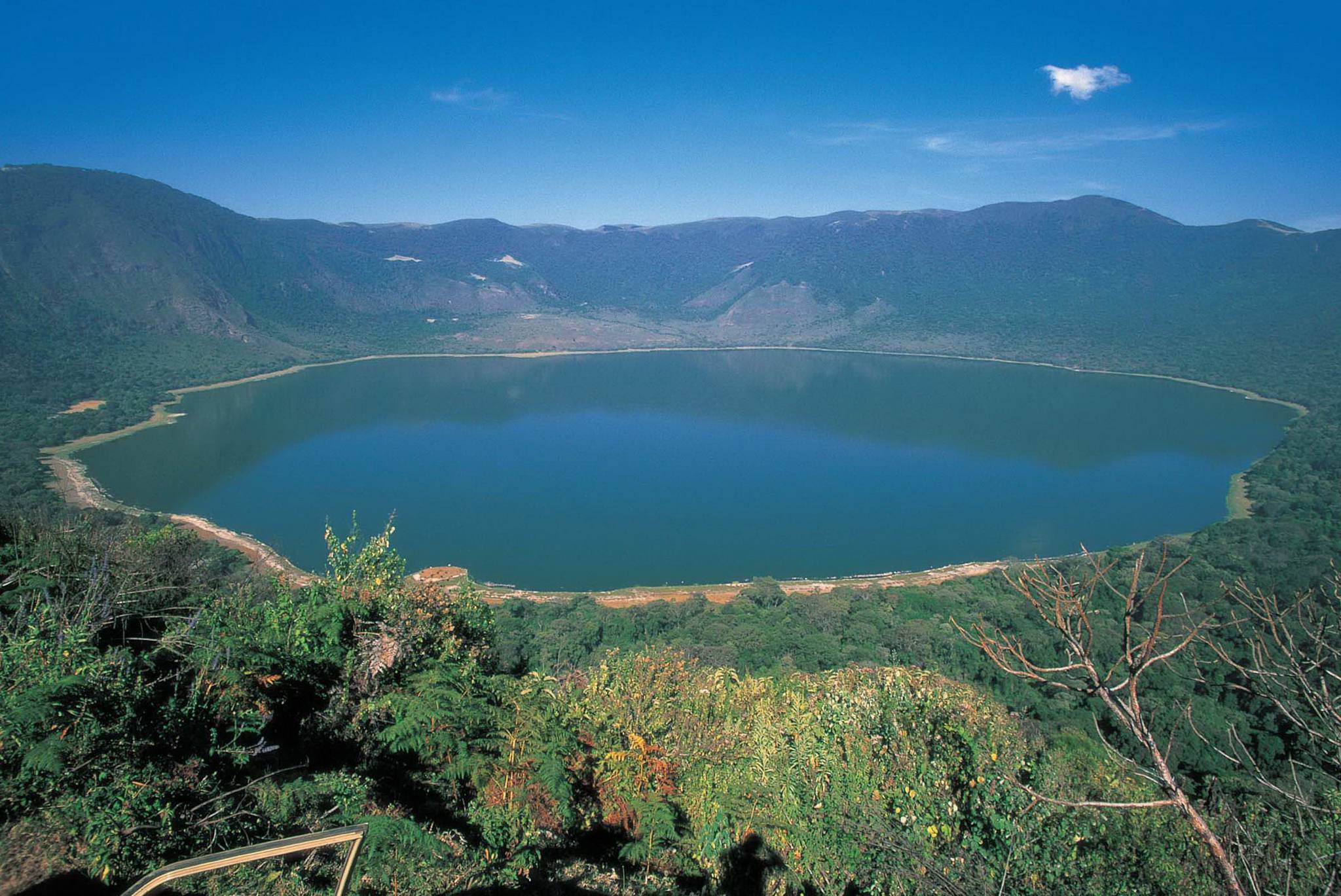
By early afternoon you will arrive in the Ngorongoro Conservation Area. This protected area covers about 8,292 km² and features volcanic landscapes, forests, plains and archaeological sites. The most well-known feature here is the Ngorongoro Crater. The crater was formed when a large volcano collapsed inward thousands of years ago. It forms a large natural basin about 600 meters deep and around 20 km wide. After checking in at your lodge, you may take a guided walk along part of the crater rim. This walk normally takes place with a ranger.
From the rim, you can look down into the crater and see grasslands, small lakes and forest patches. Animals such as buffaloes, zebras and sometimes elephants can often be seen moving across the crater floor from this viewpoint. The walk also offers views of Lake Magadi, a shallow soda lake located at the center of the crater where flamingos are sometimes seen feeding. After the walk, you return to your lodge for dinner and overnight stay. Accommodation options include Ngorongoro Crater Lodge (luxury) and Ngorongoro Serena Safari Lodge (midrange).
Day 18: Ngorongoro Crater game drive and Maasai cultural visit
The day begins early with breakfast at your lodge on the rim of the Ngorongoro Crater, located within the larger Ngorongoro Conservation Area. After breakfast, you prepare for a full morning game drive inside the crater. The crater supports a large population of animals. During the game drive you will spot different animals such as lions, buffaloes, elephants, spotted hyenas black rhinos, zebras, wildebeests, Thomson’s gazelles, Grant’s gazelles, warthogs and jackals. During the drive, you will also visit the shallow soda lake known as Lake Magadi.
The lake attracts many birds especially flamingos, pelicans, storks and egrets. Around midday, you will stop at one of the designated picnic sites near a hippo pool inside the crater for lunch. After lunch, you continue with another short game drive across a different part of the crater floor before beginning the climb back to the rim.
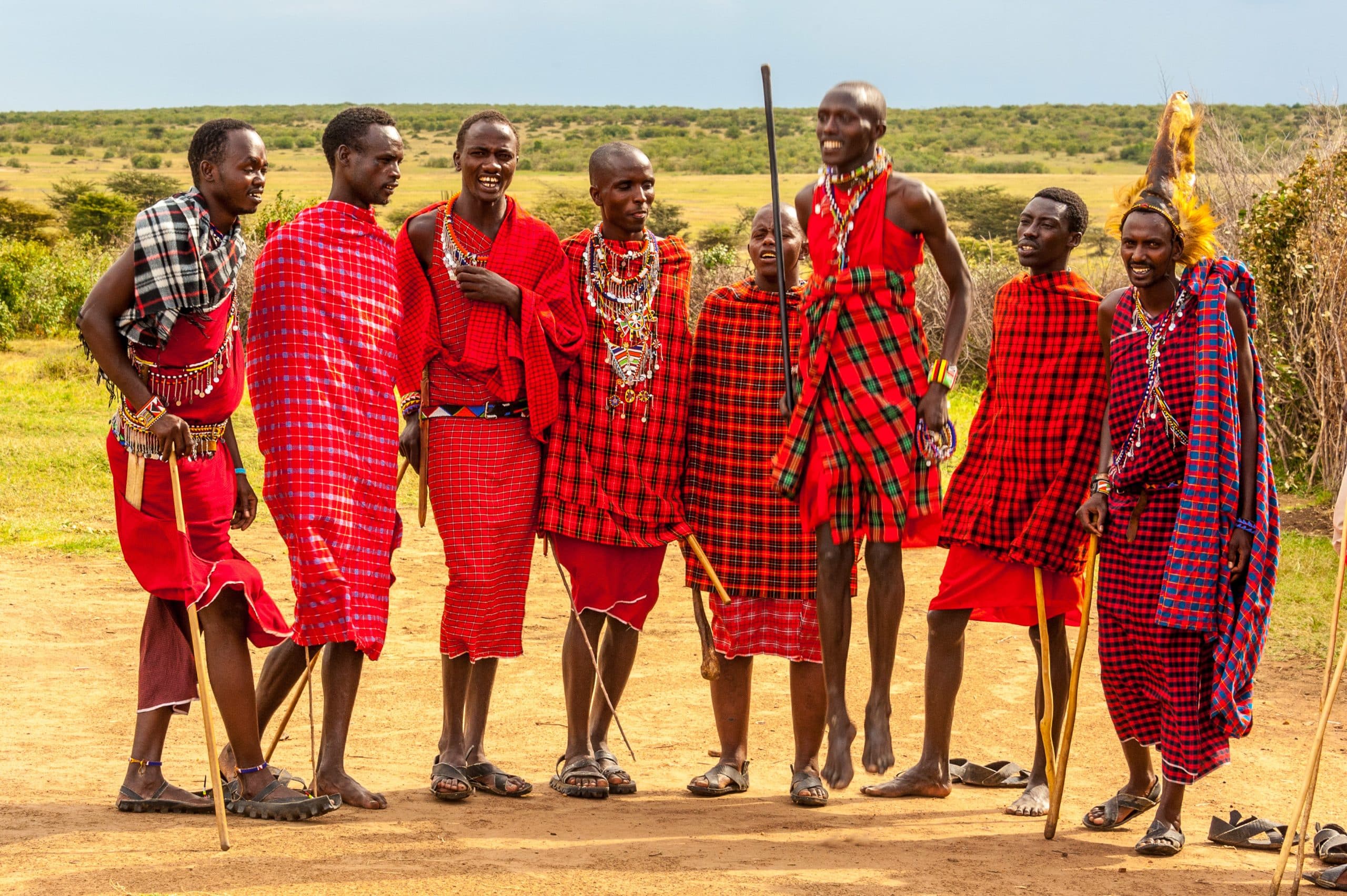
In the afternoon, you will visit a traditional Maasai village located within the Ngorongoro Conservation Area. The Maasai people are pastoralists who have lived in this region for generations and are known for their cattle keeping traditions and strong cultural identity. During the visit, you may experience traditional Maasai dance and welcome songs, a short explanation about Maasai family life and village structure, demonstrations of traditional houses built from mud, sticks and grass. You will also get a chance to know how the Maasai live alongside wildlife in the conservation area. Visitors may also see handmade beadwork and crafts which are often sold as souvenirs. After the cultural visit, you return to your lodge for dinner and overnight stay. Accommodation options include Ngorongoro Crater Lodge (luxury) and Ngorongoro Serena Safari Lodge (midrange).
Day 19: Visit to Lake Natron – End of safari
After breakfast, depart from the Ngorongoro Conservation Area and drive toward Lake Natron, located in the northern Rift Valley near the Kenya border. The journey takes about 4 to5 hours depending on road conditions. The drive passes through open Rift Valley landscapes, dry plains and small Maasai villages where local communities continue their traditional pastoral lifestyle. In the distance you may see Ol Doinyo Lengai, an active volcano which is known for its rare type of lava.
Lake Natron is a shallow alkaline lake formed within the Rift Valley. The water contains high levels of minerals and salts which support the growth of algae that attract large numbers of birds. The lake is especially important as a breeding ground for lesser flamingos and large flocks are often seen along its shores. During your visit, you may take a short guided walk along the lake shore to observe flamingos and other water birds like pelicans.
The surrounding plains may also have animals such as zebras and small antelopes. Some travelers also visit nearby Engare Sero waterfalls, a small gorge with flowing water that provides a contrast to the dry surroundings of Rift Valley. Depending on your travel plans, you can either spend a night at Lake Natron or transfer back towards Arusha or Kilimanjaro International Airport for departure.