
The 13 Days Rwanda Safari takes you through Rwanda’s national park from Nyungwe Forest National Park to the Volcanoes National Park of the Virunga Mountains and the Akagera National Park. Along the way, you will track chimpanzees, mountain gorillas and golden monkeys, enjoy a canopy walk, explore Lake Kivu, visit the Twin Lakes of Burera and Ruhondo and discover Rwanda’s history and culture in Kigali.
Trip Highlights
Day 1: Arrival at Kigali International Airport
Day 2: Kigali City Tour and Transfer to Nyungwe National Park
Day 3: Chimpanzee Tracking and Canopy Walk
Day 4: Nature Walk and Transfer to Lake Kivu
Day 5: Boat Cruise on Lake Kivu and Transfer to Volcanoes National Park
Day 6: Gorilla Trekking and Gorilla Guardians Village
Day 7: Golden Monkey Tracking and Visit to the Twin Lakes
Day 8: Hike to Dian Fossey’s Grave and Transfer to Akagera National Park
Day 9: Full-Day Game Drive in Akagera National Park
Day 10: Boat Cruise on Lake Ihema and Nature Walk
Day 11: Community Visit and Guided Nature Activities in Akagera
Day 12: Transfer to Kigali with Cultural Stops and Craft Markets
Day 13: Kigali City Tour and Departure
Detailed – 13 Days Rwanda safari
Day 1: Arrival at Kigali International Airport
Your 13 Days Rwanda Safari begins when you arrive at Kigali International Airport. Your guide will welcome you and transfer you to your hotel in Kigali. The drive takes about 20 to 30 minutes depending on traffic. After checking in, spend the rest of the day relaxing after your flight. If you arrive early, enjoy a short drive around Kigali to see the city’s clean streets and hills. You may also visit Nyandungu Eco-Park, a restored wetland with walking trails, indigenous trees and many bird species. Coffee lovers can stop at one of Kigali’s cafés to taste locally grown Rwandan coffee. In the evening, your guide will explain the safari programme before you return to your hotel.
Kigali is Rwanda’s capital city and the country’s main international gateway. The city is built across several hills and is known for its clean streets, green spaces and welcoming atmosphere. Besides being the starting point for many safaris, Kigali offers museums, local markets, art galleries, coffee shops and cultural centres. It provides visitors with a good introduction to Rwanda’s history and modern development. Accommodation options include The Retreat by Heaven (luxury), Hotel des Mille Collines (mid-range) and ONOMO Hotel Kigali (budget).
Day 2: Kigali City Tour and Transfer to Nyungwe National Park
After breakfast, begin a guided tour of Kigali. Your first stop is the Kigali Genocide Memorial. The memorial shares Rwanda’s history and honours those who lost their lives during the 1994 Genocide against the Tutsi. Continue to Caplaki Craft Village, where local artists sell handmade baskets, jewellery, wood carvings, fabrics, and paintings. If time allows, visit Kimironko Market, one of Kigali’s busiest local markets. Here you can experience everyday life while seeing fresh produce, colourful fabrics, and local foods.
After the city tour, begin the drive to Nyungwe National Park. The journey takes about 5 to 6 hours. Travel through Rwanda’s rolling hills, fertile farmland and small villages. Stop at the King’s Palace Museum in Nyanza. The museum explains Rwanda’s traditional monarchy and features the famous Inyambo long-horned cattle. Continue to Huye for lunch before visiting the Ethnographic Museum, which displays Rwanda’s cultural history through traditional tools, musical instruments, artwork, and household items. As you approach Nyungwe, the scenery changes into large tea plantations and dense rainforest. Stop briefly at Gisakura Tea Estate to enjoy the views and learn how tea is grown and processed. Arrive at your lodge in the late afternoon.
Nyungwe National Park is located in southwestern Rwanda near the borders of Burundi and the Democratic Republic of the Congo. The park protects one of Africa’s oldest mountain rainforests and covers more than 1,000 square kilometres. Nyungwe is home to chimpanzees, 13 primate species, hundreds of bird species, orchids, butterflies and many native tree species. It is also an important water catchment area that feeds rivers flowing towards both the Nile and Congo basins. Visitors come here for chimpanzee tracking, canopy walks, bird watching, forest hikes, waterfalls and tea plantation visits. Accommodation options include One&Only Nyungwe House (luxury) and Nyungwe Top View Hill Hotel (mid-range), Gisakura Guest House (budget).
Day 3: Chimpanzee tracking and Canopy walk
Wake before sunrise and enjoy breakfast before driving to the park headquarters. After a briefing from park rangers, begin your chimpanzee tracking adventure. The trek usually takes between 1 and 4 hours, depending on the chimpanzees’ movements. As you walk through the forest, your guide will point out different tree species, colourful birds, butterflies, orchids and other primates. Once you locate the chimpanzees, spend one hour watching them feed, groom, play and communicate.
Return to your lodge for lunch. In the afternoon, visit the famous Nyungwe Canopy Walk. The suspended bridge stretches about 160 metres and stands around 70 metres above the forest floor. The canopy offers excellent views of the rainforest and surrounding mountains. You may spot blue monkeys, black-and-white colobus monkeys, turacos and hornbills while crossing the bridge. If time allows, continue along the Igishigishigi Trail. Return to your lodge before dinner. Accommodation options include One&Only Nyungwe House (luxury) and Nyungwe Top View Hill Hotel (mid-range), Gisakura Guest House (budget).
Day 4: Nature Walk and Transfer to Lake Kivu
After breakfast, enjoy a guided nature walk in Nyungwe National Park. Choose one of the shorter forest trails where you can discover ancient trees, colourful butterflies, birds and smaller primates. Your guide will explain the importance of the rainforest and its role in protecting water sources and wildlife.
After the walk, begin the drive to Lake Kivu. The journey takes about 3 to 4 hours. The road passes tea plantations, rolling hills and small lakeside communities. Arrive in the lakeside town of Kibuye (Karongi), one of the most peaceful areas along Lake Kivu. Spend the afternoon relaxing by the lake or take a short walk along the waterfront. Visitors interested in local life can explore nearby fishing villages where colourful wooden boats return with the day’s catch.
Lake Kivu is one of Africa’s Great Lakes and lies along Rwanda’s western border. The lake is surrounded by green hills, small fishing villages, coffee farms and sandy beaches. Unlike many African lakes, Lake Kivu is free from hippos and crocodiles along its main tourist beaches. This makes it suitable for swimming, kayaking, boat cruises and lakeside walks. Accommodation options include Cleo Lake Kivu Hotel (luxury), Kivu Lodge (mid-range) and Home Saint Jean (budget).
Day 5: Boat Cruise on Lake Kivu and Transfer to Volcanoes National Park
Begin the morning with a boat cruise on Lake Kivu. Visit one of the small islands scattered across the lake. Some islands are home to fruit bats while others provide excellent viewpoints over the surrounding hills. You may also visit a lakeside coffee farm to learn how local farmers grow and process Arabica coffee. After the cruise, enjoy lunch before beginning the drive to Volcanoes National Park. The journey takes about 4 to 5 hours. Travel north through Rubavu where Lake Kivu meets the Virunga Mountains. The road offers beautiful views of volcanic peaks, rural villages and terraced farmland. If time allows, stop at the Ellen DeGeneres Campus of the Dian Fossey Gorilla Fund near Kinigi. The centre explains mountain gorilla conservation through interactive exhibits and educational displays. Arrive at your lodge near Volcanoes National Park in the evening.
Volcanoes National Park is located in northern Rwanda near the border with Uganda and the Democratic Republic of Congo. It forms part of the Virunga Conservation Area which includes protected areas across the three countries. The park covers volcanic slopes, bamboo forests and afro-montane vegetation. It is famous for protecting endangered mountain gorillas and golden monkeys. Volcanoes National Park has five major volcanoes within its landscape including Mount Karisimbi, Mount Bisoke, Mount Muhabura, Mount Gahinga and Mount Sabyinyo. Accommodation options include Bisate Lodge (luxury), Five Volcanoes Boutique Hotel (mid-range) and Da Vinci Gorilla Lodge (budget).
Day 6: Gorilla Trekking in Volcanoes National Park and Gorilla Guardians Village

Wake up early and prepare for one of the main highlights of your 13 Days Rwanda Safari. After breakfast, drive to the Volcanoes National Park headquarters in Kinigi for a briefing. Park guides explain gorilla trekking rules and assign visitors to habituated gorilla families. The trek begins through bamboo forests and mountain vegetation. The walking time depends on the location of the gorilla family and may take between 2 and 6 hours. The terrain can be steep, so a reasonable level of fitness is helpful.
During the hike, your guide will explain the forest ecosystem and point out birds, plants and signs of wildlife. Once you find the gorillas, you will spend one hour observing them. You may see the silverback protecting the group, mothers caring for young gorillas and juveniles playing around the family. After the trek, return to your lodge for lunch and relaxation. In the afternoon, visit the Gorilla Guardians Village also known as Iby’Iwacu Cultural Village. The village provides an opportunity to learn about Rwanda’s traditional culture and conservation efforts. Former hunters and community members share stories about their connection with the forest. Visitors can enjoy traditional dances, music, local cooking demonstrations, craft making and storytelling. Accommodation options include Bisate Lodge (luxury), Five Volcanoes Boutique Hotel (mid-range) and Da Vinci Gorilla Lodge (budget).
Day 7: Golden Monkey Tracking and Visit to the Twin Lakes of Burera and Ruhondo
After breakfast, head to the Volcanoes National Park headquarters for golden monkey tracking. Golden monkeys are endangered primates found only in the Virunga region. The trek takes place mainly in the bamboo forests where the monkeys feed and move between trees. The hike usually lasts between 2 and 4 hours. Golden monkeys are active and fast-moving, making the experience different from gorilla trekking. They jump between branches, feed on bamboo shoots and move through the forest in large groups.
After the trek, return to your lodge for lunch. In the afternoon, visit the Twin Lakes of Burera and Ruhondo. The lakes provide excellent views of the Virunga volcanoes especially during clear weather. Enjoy a canoe ride on the calm waters while learning about fishing and farming activities from local guides. You can also take a village walk to see how communities live around the lakes. The area is less crowded compared to many tourist sites in Rwanda, making it ideal for travellers seeking a quieter experience. Return to your lodge in the evening.
The Twin Lakes of Burera and Ruhondo are located near Volcanoes National Park. They sit below the Virunga Mountains and offer scenic views. The lakes were formed through volcanic activity and are surrounded by steep hills, farmland and small villages. Accommodation options include Bisate Lodge (luxury), Five Volcanoes Boutique Hotel (mid-range) and Da Vinci Gorilla Lodge (budget).
Day 8: Dian Fossey Grave hike and Transfer to Akagera National Park
After breakfast, begin the journey to Akagera National Park. The drive takes about 6 to 7 hours. Before leaving Volcanoes National Park, you can take part in the Dian Fossey Grave Hike. The trail leads through the forest slopes of Mount Bisoke to the former research area of Dian Fossey. Dian Fossey was a conservationist who dedicated many years to studying mountain gorillas. The hike takes about four to five hours and provides views of volcanic landscapes and rainforest habitats. Visitors can learn about her research work and the early efforts to protect mountain gorillas.
After the hike, continue towards eastern Rwanda. The scenery changes from volcanic mountains to open farmland and savannah landscapes. Stop in Kigali or along the way for lunch before continuing to Akagera National Park. Arrive at your lodge in the evening.
Akagera National Park is located in eastern Rwanda along the border with Tanzania. It is the country’s only savannah national park and covers about 1,122 square kilometres. The park has grasslands, woodlands, wetlands, and lakes. It supports elephants, lions, leopards, rhinos, buffaloes, giraffes, zebras, hippos, crocodiles and many antelope species. Accommodation options include Magashi Camp (luxury), Akagera Game Lodge (mid-range) and Dereva Hotel (budget).
Day 9: Full-day game drive in Akagera National Park
Start the day early with a sunrise game drive through Akagera National Park. The morning hours provide excellent opportunities to see animals before the heat of the day. Your guide will search for elephants, buffaloes, giraffes, zebras, antelopes, rhinos and predators such as lions and leopards. The park’s landscapes change from open grasslands to woodland and wetland areas. Each habitat supports different wildlife species.
The northern plains are among the best areas for game viewing. Here you may find large herds of buffaloes, zebras and giraffes moving across the savannah. Bird lovers can look for species such as African fish eagles, papyrus gonoleks, kingfishers and herons. After lunch, continue exploring different areas of the park. You may visit viewpoints overlooking lakes and wetlands. If time allows, stop near Lake Ihema for views of hippos and water birds. Return to your lodge in the evening. Accommodation options include Magashi Camp (luxury), Akagera Game Lodge (mid-range) and Dereva Hotel (budget).
Day 10: Lake Ihema boat cruise and Nature walk in Akagera National Park
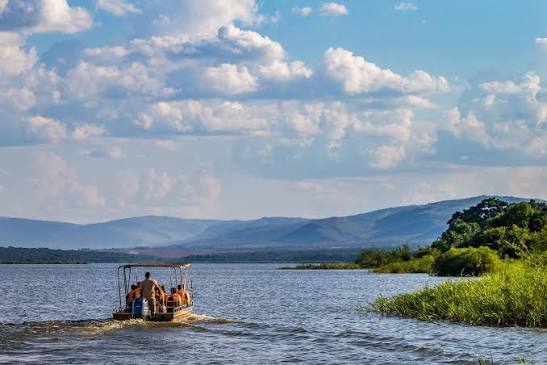
Lake Ihema
Begin the morning with a boat cruise on Lake Ihema. The cruise provides a chance to explore Akagera’s wetland ecosystem from the water.As the boat moves along the shoreline, you may see hippos resting in the water and crocodiles lying on the banks. Elephants and buffaloes sometimes approach the lake to drink, especially during dry periods. The cruise is also a rewarding experience for bird lovers. Common sightings include African fish eagles, kingfishers, herons, egrets and cormorants.
After the boat ride enjoy lunch before taking part in a guided nature walk. The walk introduces visitors to the smaller details of the park. Your guide will explain animal tracks, plants, insects and bird calls. You may also learn how Akagera’s conservation programmes support wildlife protection and local communities. If time allows, visit one of the park’s viewpoints to enjoy views of the lakes, wetlands and surrounding hills. Return to your lodge in the evening.
Lake Ihema is the largest lake in Akagera National Park and one of the best places for wildlife viewing in Rwanda. The lake and surrounding wetlands attract hippos, crocodiles, elephants, buffaloes and many bird species. A boat cruise on Lake Ihema offers a different perspective of the park, allowing visitors to observe animals from the water. The lake is also an important habitat for water birds, including African fish eagles, herons, kingfishers and storks. Accommodation options include Magashi Camp (luxury), Akagera Game Lodge (mid-range) and Dereva Hotel (budget).
Day 11: Morning game drive and community experience in Akagera
Wake up early for your final game drive in Akagera National Park. The morning hours offer some of the best wildlife viewing opportunities. Animals are more active before temperatures rise. Explore different sections of the park while searching for elephants, giraffes, zebras, buffaloes, antelopes and predators. Akagera’s landscapes change throughout the drive. You will pass through grasslands, woodland areas and wetlands. Each environment supports different animals and bird species.
If you are interested in conservation, visit the park’s community projects. These initiatives show how local people benefit from tourism and wildlife protection. You may meet community members involved in crafts, farming or conservation activities. The visit provides a better understanding of the relationship between protected areas and surrounding communities. After lunch, begin the drive back towards Kigali. The journey takes about 3 to 4 hours. Arrive in Kigali in the late afternoon.
Kigali is Rwanda’s capital and cultural centre. The city combines modern development with traditional culture and historical sites. Visitors can explore museums, memorials, local markets, craft centres and restaurants serving Rwandan cuisine. Kigali is also known for its clean environment, green spaces and views from its many hills. Accommodation options include The Retreat by Heaven (luxury), Hotel des Mille Collines (mid-range) and ONOMO Hotel Kigali (budget).
Day 12: Kigali City tour and cultural experiences
After breakfast, begin a guided Kigali city tour. Start with the Kigali Genocide Memorial one of Rwanda’s most important historical sites. The memorial provides information about the 1994 Genocide against the Tutsi and Rwanda’s journey towards reconciliation. Continue to Kimironko Market, where you can experience local life. The market sells fresh food, fabrics, spices and handmade items. It is a good place to see how Rwandans shop and interact daily. Visit Caplaki Craft Village for locally made souvenirs. You can find traditional baskets, paintings, carvings, and jewellery created by local artisans.
For travellers interested in nature, visit Nyandungu Eco-Park. The restored wetland offers walking paths, bird watching and green spaces within the city. In the afternoon, explore Kigali’s food scene. Try traditional dishes such as grilled meat, plantains, vegetables and local drinks. Return to your hotel in the evening. Accommodation options include The Retreat by Heaven (luxury), Hotel des Mille Collines (mid-range) and ONOMO Hotel Kigali (budget).
Day 13: Departure from Kigali International Airport
After breakfast, depending on your flight schedule you may have time for a final activity in Kigali. You can visit a local coffee shop, buy souvenirs or take a short walk around the city. Your guide will transfer you to Kigali International Airport for your departure flight. The airport transfer usually takes about 20 to 30 minutes.
End of the Safari
Included in this tour package;
- Gorilla and Chimpanzee viewing Permits
- Cultural entertainment
- Park Ranger Fees
- Relevant Government Taxes.
- Full Board Accommodation (2 nights) and en-route meals as indicated in the itinerary.
- Full time English speaking Driver/Guide
- Ground Transportation by a 4×4 safari vehicle
- Airport transfer, as long as your flight is on the same day on which the safari ends.
Exclusions:
- Airfares
- Visa Fees
- Personal Insurance
- Expenses of personal nature such as; drinks, tips, laundry, telephone, cigarettes, accommodation & meals not indicated in the itinerary and optional activities.
[/tab]
[/tabs]
