
Book 16 Days Tanzania Safari with Africa Adventure Safari which takes you through Tanzania’s famous national parks. The safari combines game viewing, nature walks, cultural experiences, waterfalls and mountain scenery. The tour starts and ends at Kilimanjaro International Airport in Tanzania. The safari include Tarangire National Park, Lake Manyara National Park, Ngorongoro Conservation Area and Serengeti National Park.
Trip summary – 16 days Tanzania safari
Day 1: Arrival at Kilimanjaro International Airport
Day 2: Transfer to Tarangire National Park
Day 3: Morning game drive and transfer to Lake Manyara National Park
Day 4: Transfer to Serengeti National Park
Day 5: Full-day game drive in Serengeti National Park
Day 6: Sunrise game drive and transfer to Ngorongoro Conservation Area
Day 7: Ngorongoro Crater game drive
Day 8: Transfer to Lake Natron
Day 9: Hike to the Ngare Sero Waterfalls and visit Lake Natron
Day 10: Transfer to Arusha National Park
Day 11: Walking safari and canoe safari in Arusha National Park
Day 12: Transfer to Materuni Village
Day 13: Materuni Waterfalls hike and coffee tour
Day 14: Transfer to Moshi and Chemka Hot Springs
Day 15: Transfer to Kilimanjaro National Park and Mandara Hut day hike
Day 16: Departure
Detailed itinerary – 16 days Tanzania safari
Day 1: Arrival at Kilimanjaro International Airport
Your 16 Days Tanzania Safari begins when you arrive at Kilimanjaro International Airport. After completing immigration procedures, meet your safari guide outside the arrivals area. Transfer to your hotel in Arusha. The drive takes about 45 to 60 minutes. If you arrive early, enjoy a short tour around Arusha. Visit the Cultural Heritage Centre where you can see traditional artwork, sculptures, gemstones, paintings and handmade crafts from across East Africa. You may also visit a local coffee shop to enjoy freshly roasted Tanzanian coffee. In the evening, your guide will brief you about the safari before you enjoy dinner at your hotel.
Kilimanjaro is the main gateway to Tanzania’s northern safari destinations. The region is famous for its fertile landscapes, coffee farms and views of Mount Kilimanjaro, Africa’s highest mountain at 5,895 metres. Accommodation options include Arusha Coffee Lodge and Gran Meliá Arusha (luxury), Four Points by Sheraton Arusha and Mount Meru Hotel (mid-range), Planet Lodge and Charity Hotel International (budget)
Day 2: Transfer to Tarangire National Park
After breakfast, leave Arusha and drive to Tarangire National Park. The journey takes about 2 to 3 hours. Travel through Maasai villages, farmland and open countryside before reaching the park. After entering Tarangire, begin your first game drive. The park’s landscapes are dominated by giant baobab trees and wide grasslands. Large elephant herds are often seen near the Tarangire River especially during the dry season. You may also spot giraffes, zebras, wildebeests, buffaloes, impalas, water bucks, warthogs and ostriches. Predators such as lions and leopards sometimes rest beneath the shade of acacia trees. Enjoy a picnic lunch inside the park while overlooking the river.
In the afternoon, continue exploring different areas of Tarangire. If time allows, visit Silale Swamp which attracts wildlife throughout the year. The swamp is also one of the park’s best bird watching areas. Arrive at your lodge before sunset.
Tarangire National Park lies about 120 kilometers southwest of Arusha and covers approximately 2,850 square kilometers. The park is well known for its large elephant herds, ancient baobab trees and the Tarangire River which serves as the main water source during the dry season. Tarangire supports lions, leopards, cheetahs, giraffes, zebras, wildebeests, buffaloes, impalas, elands and more than 550 bird species. Accommodation options include Tarangire Treetops and Chem Chem Lodge (luxury), Tarangire Simba Lodge and Sangaiwe Tented Lodge (mid-range), Whistling Thorn Tented Camp and Roika Tarangire Tented Lodge (budget)
Day 3: Morning game drive and Transfer to Lake Manyara National Park
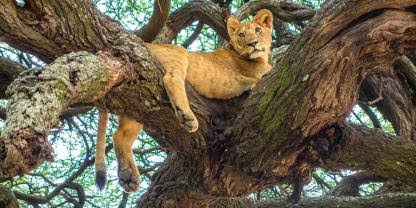
tree-climbing lion
Wake up early for another game drive in Tarangire National Park. The cool morning hours offer excellent opportunities to observe active wildlife. Look for elephants feeding along the river, giraffes browsing acacia trees and lions returning from their night hunt. Bird lovers may spot yellow-collared lovebirds, hornbills, secretary birds and bee-eaters.
After breakfast, leave Tarangire and drive to Lake Manyara National Park. The journey takes about 2 to 3 hours. Arrive in time for lunch before beginning an afternoon game drive. Explore the park’s lush groundwater forest where troops of baboons and blue monkeys move through the trees. Continue towards the lake where thousands of flamingos gather during favourable water conditions. Watch for hippos resting in shallow pools and elephants feeding in the forest. If you are lucky, you may also see the park’s famous tree-climbing lions resting on large tree branches. Before leaving the park, stop at the Lake Manyara Hippo Pool for close views of hippos and water birds. Return to your lodge in the evening.
Lake Manyara National Park sits at the base of the Great Rift Valley escarpment. Although it is one of Tanzania’s smaller parks, it contains a variety of habitats. Visitors can explore groundwater forests, open grasslands, acacia woodlands, hot springs, marshes and the alkaline lake. The park is known for elephants, hippos, baboons, flamingos and tree-climbing lions. Accommodation options include Lake Manyara Kilimamoja Lodge and Escarpment Luxury Lodge (luxury), Manyara Safari Lodge and Lake Manyara Serena Safari Lodge (mid-range), Migombani Camp and Panorama Safari Camp (budget)
Day 4: Transfer to Serengeti National Park
After breakfast, leave Lake Manyara and begin your journey to Serengeti National Park. The drive takes about 5 to 7 hours depending on road conditions and wildlife sightings.Travel through the Ngorongoro Highlands while enjoying the views of volcanic landscapes and open plains. You may stop at one of the viewpoints overlooking the Ngorongoro Crater before continuing your journey.
As you enter Serengeti National Park, the landscape opens into endless grasslands stretching towards the horizon. Begin your first game drive while travelling to your lodge. Look for lions resting on rocky kopjes, cheetahs scanning the plains, elephants feeding near rivers and large herds of zebras and wildebeests. The Serengeti is also home to hyenas, jackals, topis, hartebeests and many bird species. If your visit coincides with the Great Migration, you may witness thousands of wildebeests and zebras moving across the plains. Before sunset, stop at one of the granite kopjes. These rocky outcrops often provide excellent viewpoints and are favourite resting places for lions and leopards. Continue to your lodge for dinner and overnight.
Serengeti National Park is Tanzania’s largest and most famous national park. It covers nearly 15,000 square kilometers of open plains, river valleys, rocky kopjes and woodlands. The Serengeti is home to the Great Migration where millions of wildebeests, zebras and gazelles move across the plains each year. The park also supports large populations of lions, leopards, cheetahs, elephants, buffaloes and hyenas. Accommodation options include Four Seasons Safari Lodge Serengeti and Melia Serengeti Lodge (luxury), Serengeti Serena Safari Lodge and Kubu Kubu Tented Lodge (mid-range), Into Wild Africa Camp and Thorn Tree Camp (budget).
Day 5: Full day game drive in Serengeti National Park
Wake up early for a full day of exploring Serengeti National Park. Begin your morning game drive before sunrise when many animals are most active. Drive across the open plains while searching for lions, leopards, cheetahs, elephants, buffaloes, giraffes, zebras and large herds of antelopes. Depending on the season, you may witness part of the Great Migration as thousands of wildebeests and zebras move across the plains in search of fresh grazing. Your guide will take you to different habitats throughout the park.
Visit river crossings, open grasslands, rocky kopjes and acacia woodlands. Each area supports different wildlife species. Enjoy a picnic lunch at one of the designated sites while surrounded by the sounds of the African wilderness. Continue your afternoon game drive towards the Seronera Valley. This area has permanent water sources that attract wildlife throughout the year. Watch for hippos resting in pools, crocodiles along riverbanks and predators waiting near the grasslands. Bird lovers can look for secretary birds, martial eagles, kori bustards, hornbills and bee-eaters. Return to your lodge before sunset.
Day 6: Game drive and Transfer to Ngorongoro Conservation Area
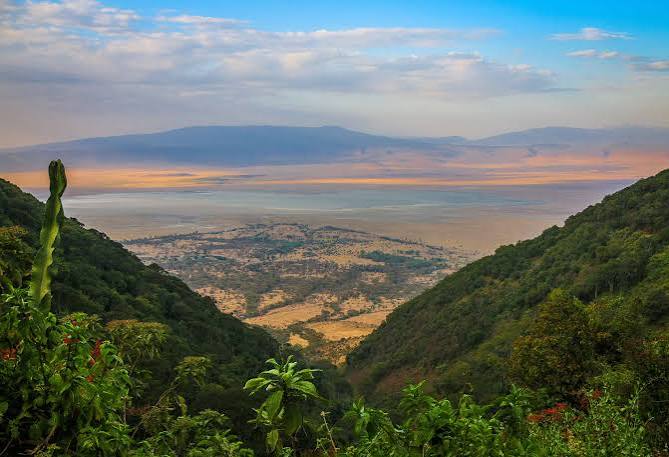
Ngorongoro conservation area
On the 6th day of your Tanzania Safari, wake up for the final game drive in Serengeti National Park. The early morning light creates excellent conditions for wildlife photography. Predators often remain active during the cooler hours before the sun becomes stronger. After breakfast, leave the Serengeti and begin the drive towards the Ngorongoro Conservation Area. The journey takes about 3 to 4 hours. Along the way, stop at one of the scenic viewpoints overlooking the endless Serengeti plains.
Continue through the Ngorongoro Highlands where the landscape changes from open grasslands to forested hills. If time allows, visit a traditional Maasai Boma. Community members explain their way of life, traditional homes, livestock keeping, beadwork and cultural ceremonies. The visit also provides opportunities to purchase handmade crafts directly from local artisans. Arrive at your lodge on the crater rim during the afternoon.
The Ngorongoro Conservation Area is a UNESCO World Heritage Site located between Serengeti National Park and Lake Manyara. Its main attraction is the Ngorongoro Crater, the world’s largest intact volcanic caldera. The crater floor supports grasslands, forests, swamps, lakes and seasonal rivers that provide ideal habitats for many wildlife species. Visitors may see elephants, lions, buffaloes, black rhinos, hippos, hyenas, zebras, wildebeests and many bird species within a single game drive. Accommodation options include Ngorongoro Crater Lodge / The Highlands (luxury), Ngorongoro Serena Safari Lodge / Rhino Lodge (mid-range), Simba Public Campsite / Eileen’s Trees Inn (Karatu)
Day 7: Ngorongoro Crater Game Drive
In the morning, descend approximately 600 metres into the Ngorongoro Crater. Spend the day exploring one of Africa’s most remarkable wildlife areas. The crater floor contains open grasslands, swamps, forests, rivers and Lake Magadi, a shallow soda lake that attracts flamingos during suitable seasons. Drive through different habitats while searching for elephants, buffaloes, lions, hyenas, wildebeests, zebras, gazelles and hippos. Ngorongoro is also one of the best places in Tanzania to see the endangered black rhino, although sightings cannot be guaranteed.
Enjoy a picnic lunch beside one of the designated picnic sites where hippos are often seen resting nearby. Continue your afternoon game drive before climbing back to the crater rim. If time allows, stop at one of the quieter viewpoints overlooking the crater before returning to your lodge. Accommodation options include Ngorongoro Crater Lodge / The Highlands (luxury), Ngorongoro Serena Safari Lodge / Rhino Lodge (mid-range), Simba Public Campsite / Eileen’s Trees Inn (Karatu)
Day 8: Transfer to Lake Natron
After breakfast, leave the Ngorongoro Conservation Area and travel towards Lake Natron. The journey takes about 5 to 6 hours depending on road conditions. The route passes remote Maasai settlements, volcanic landscapes and wide open plains. As you approach Lake Natron, enjoy views of Ol Doinyo Lengai, an active volcano that holds great cultural importance for the Maasai people.
Arrive at your lodge in time for lunch. Spend the afternoon exploring the lakeshore with a local guide. During the breeding season, thousands of lesser flamingos gather on the lake’s shallow waters.The mineral-rich landscape creates striking colours that change throughout the day. You may also visit a nearby Maasai village to learn about local traditions, livestock keeping and daily life. Return to your lodge before sunset.
Lake Natron lies in northern Tanzania near the border with Kenya. The shallow alkaline lake is surrounded by volcanic mountains and open plains. The area is one of East Africa’s most important breeding grounds for lesser flamingos. Visitors also come to hike waterfalls, explore Maasai villages and enjoy views of Ol Doinyo Lengai, an active volcano that is sacred to the Maasai people. Accommodation options include Lake Natron Camp (luxury), Africa Safari Lake Natron (mid-range), Maasai Giraffe Eco Lodge and Lake Natron View Camp (budget).
Day 9: Hike to Ngare Sero waterfalls and explore Lake Natron
Wake up early and enjoy breakfast before beginning a guided hike to Ngare Sero Waterfalls. The hike takes about 45 minutes to 1 hour each way depending on your pace. The trail follows a narrow gorge with small streams, volcanic rocks and shaded paths. Your local guide will explain the area’s geology, plants and Maasai traditions during the walk. At the waterfall, enjoy the cool mist and peaceful surroundings.
You may swim in the natural pool if conditions are safe. After returning to your lodge for lunch, spend the afternoon exploring the shores of Lake Natron. Walk across parts of the shallow lake with a local guide while observing the mineral deposits. If you visit during the breeding season, you may see thousands of lesser flamingos feeding in the distance. Later, visit a nearby Maasai community. Learn about traditional houses, livestock keeping, beadwork and daily life. Return to your lodge. Accommodation options include Lake Natron Camp (luxury), Africa Safari Lake Natron (mid-range), Maasai Giraffe Eco Lodge and Lake Natron View Camp (budget).
Day 10: Transfer to Arusha National Park
After breakfast, leave Lake Natron and drive to Arusha National Park. The journey takes about 5 to 6 hours. Travel through the Great Rift Valley while passing Maasai villages, open plains and volcanic landscapes. Stop for lunch in Arusha before entering the national park. Begin an afternoon game drive through the park. Drive beneath the forests of Mount Meru while looking for giraffes, buffaloes, zebras, bushbucks and warthogs. Watch for black-and-white colobus monkeys jumping between the trees. You may also see blue monkeys and turacos in the forest canopy. Continue to the Momella Lakes where flamingos, pelicans, herons and other water birds gather. If the weather is clear, enjoy views of Mount Kilimanjaro from several viewpoints inside the park. Arrive at your lodge in the late afternoon.
Arusha National Park is located about 35 kilometers from Arusha City. The park includes Mount Meru, Ngurdoto Crater, open grasslands, forests and the Momella Lakes. Visitors may see giraffes, zebras, buffaloes, warthogs, bushbucks, water bucks, blue monkeys, black-and-white colobus monkeys and many bird species. Arusha National Park is one of the few parks in Tanzania where walking safaris and canoe safaris are allowed. Accommodation options include Hatari Lodge / Arusha Coffee Lodge (luxury), Mount Meru Game Lodge / Ngare Sero Mountain Lodge (mid-range), Meru View Lodge / Arusha Planet Lodge (budget).
Day 11: Walking safari and canoe safari in Arusha National Park
In the morning, meet your armed ranger for a guided walking safari. Walking through the park allows you to notice smaller plants, insects, animal tracks and birdlife that are often missed during game drives. You may encounter giraffes, zebras, buffaloes, warthogs and antelopes from a safe distance. Your guide will explain how animals use different habitats and identify fresh tracks along the trail. Return to the lodge for lunch.
In the afternoon, enjoy a canoe safari on one of the Momella Lakes. The calm water provides excellent opportunities to watch flamingos, kingfishers, cormorants, fish eagles and hippos along the shoreline. The surrounding scenery includes Mount Meru and forest-covered hills. Return to your lodge before dinner. Accommodation options include Hatari Lodge / Arusha Coffee Lodge (luxury), Mount Meru Game Lodge / Ngare Sero Mountain Lodge (mid-range), Meru View Lodge / Arusha Planet Lodge (budget)
Day 12: Transfer to Materuni Village
After breakfast, leave Arusha National Park and drive towards Materuni Village near Moshi. The journey takes about 2 to 3 hours. As you approach the village, the landscape changes into green hills covered with banana plantations and coffee farms. After checking into your lodge, enjoy lunch prepared with fresh local ingredients.
In the afternoon, take a guided walk through Materuni Village. The hike passes through theChagga community and gives an opportunity to learn about their traditions, farming methods and daily life. Visit small coffee farms where local families grow Arabica coffee on the fertile slopes of Mount Kilimanjaro. Your guide will explain how coffee is planted, harvested, dried and prepared. If the skies are clear, enjoy views of Mount Kilimanjaro from the village. You may also visit local craft shops where artisans produce handmade baskets, carvings and jewelry.
Materuni Waterfalls is one of the tallest waterfalls near Mount Kilimanjaro. The waterfall is surrounded by tropical forest, coffee farms and banana plantations. Accommodation; options include Kaliwa Lodge and Aishi Machame Hotel (luxury), Chanya Lodge and Panama Garden Resort (mid-range), Materuni Homes and Kilimanjaro Eco Lodge (budget).
Day 13: Materuni Waterfalls hike and coffee tour
Have early morning breakfast, begin a guided walk to Materuni Waterfalls.The hike takes about 45 minutes to 1 hour depending on your pace. Walk through banana plantations, coffee farms and small streams while your guide explains the local plants and farming methods. Along the trail, enjoy views of the surrounding valleys. During clear weather, you may also see the lower slopes of Mount Kilimanjaro. When you reach the waterfall, relax while enjoying the cool mist and peaceful surroundings. The waterfall drops nearly 90 metres into a natural pool below.
After returning to the village, join a traditional coffee tour. Local farmers demonstrate every stage of coffee production. You will help roast, grind and prepare fresh Arabica coffee using traditional methods. The experience also includes local songs and dances performed by members of the Chagga community. Spend the evening relaxing at your lodge. Accommodation; options include Kaliwa Lodge and Aishi Machame Hotel (luxury), Chanya Lodge and Panama Garden Resort (mid-range), Materuni Homes and Kilimanjaro Eco Lodge (budget).
Day 14: Transfer to Moshi and Visit Chemka Hot Springs
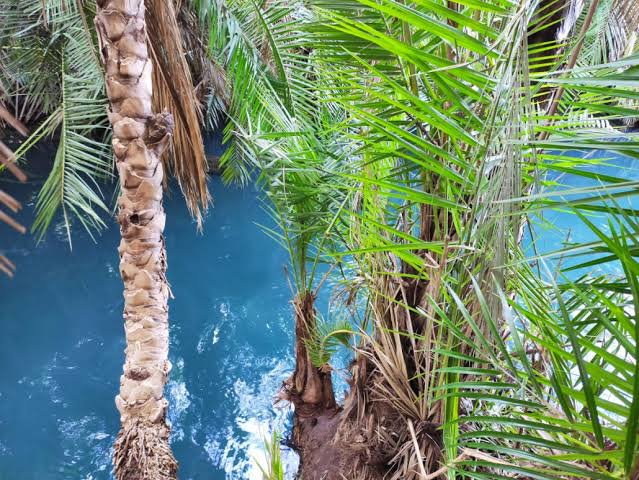
After breakfast, leave Materuni Village and drive towards Chemka Hot Springs. The journey takes about 1 to 2 hours. Travel through small villages, farmland and open countryside before reaching the springs. Spend the day relaxing beside the clear blue water. You may swim, float or simply enjoy the peaceful surroundings beneath the large fig trees. The springs are fed by underground groundwater that remains fresh and clear throughout the year. Small fish are often seen swimming in the water.
Bird lovers may spot kingfishers, weavers, sunbirds and hornbills in the surrounding trees. Enjoy a picnic lunch before taking a short nature walk around the area. Later, continue to your accommodation near Moshi. If time allows, visit the local market or enjoy dinner at a restaurant serving traditional Tanzanian dishes.
Chemka Hot Springs also known as Kikuletwa Hot Springs is located between Arusha and Moshi. Crystal-clear spring water flows from underground and forms a natural pool surrounded by large fig trees and palms. The clean water remains at a comfortable temperature throughout the year. Accommodation options include Kilimanjaro Wonders Hotel and Keys Hotel Moshi (luxury), Park view Inn and Panama Garden Resort (mid-range), Kindoroko Hotel and Bristol Cottages (budget)
Day 15: Transfer to Kilimanjaro National Park and Mandara Hut day hike
Wake up early and enjoy breakfast before driving to Marangu Gate, the main entrance to Kilimanjaro National Park. The drive from Moshi takes about 1 hour. After registration, meet your mountain guide for a briefing. Begin your hike through the park’s montane forest. The trail to Mandara Hut covers about 8 kilometers each way and usually takes 5 to 7 hours for the return journey. Along the trail, look for blue monkeys, black-and-white colobus monkeys, bushbucks, colorful turacos and many forest birds.
Your guide will explain the unique plants found on the lower slopes of Mount Kilimanjaro like Impatiens kilimanjarii, Impatiens pseudoviola and Epiphytes and Ferns. After reaching Mandara Hut, enjoy lunch while taking in views of the surrounding forest. If time allows, continue to the nearby Maundi Crater viewpoint. On a clear day, you can enjoy wide views of northern Tanzania and southern Kenya. Begin your descent to Marangu Gate before returning to your hotel.
Kilimanjaro National Park protects Africa’s highest mountain and one of the world’s most famous hiking destinations. The park was established in 1973 and became a UNESCO World Heritage Site in 1987. Besides Mount Kilimanjaro, the park protects montane forests that are home to blue monkeys, black-and-white colobus monkeys, bushbucks, duikers and many bird species. The Mandara Hut day hike offers visitors a chance to experience the mountain without climbing to the summit. Accommodation options include Kilimanjaro Wonders Hotel (luxury), park view Inn (mid-range), Kindoroko Hotel (budget).
Day 16: Departure
Enjoy breakfast at your hotel before checking out. Depending on your flight schedule, you may have time for a short tour of Moshi. Visit a local market where vendors sell fresh produce, spices, fabrics and handmade souvenirs. If you enjoy coffee, stop at a nearby café for one final cup of Tanzanian Arabica coffee. You may also visit a local craft center to purchase handmade carvings, paintings, jewelry or woven baskets. Your guide will then transfer you to Kilimanjaro International Airport. The drive takes about 45 minutes to 1 hour depending on traffic. Arrive at the airport in time for check-in and your departure flight.
End of the safari
Tour Inclusions
- Transportation from the meeting to the departure point
- Expert, English-speaking local driver/guide
- All accommodations while on tour
- Meal as indicated in the itinerary
- Park Entrance fees
- 1 Chimpanzee Tracking permit
- All Activity Fees included in the tour itinerary
- Pre-tour briefing and itinerary document, maps and postcards
Tour excludes
- International flight ( can be arranged if required )
- Visa and personal insurance
- Drinks, tips and gratuities
- Personal expenses (laundry, souvenirs, etc.).
- Any item or activity not mentioned in the tour package.